
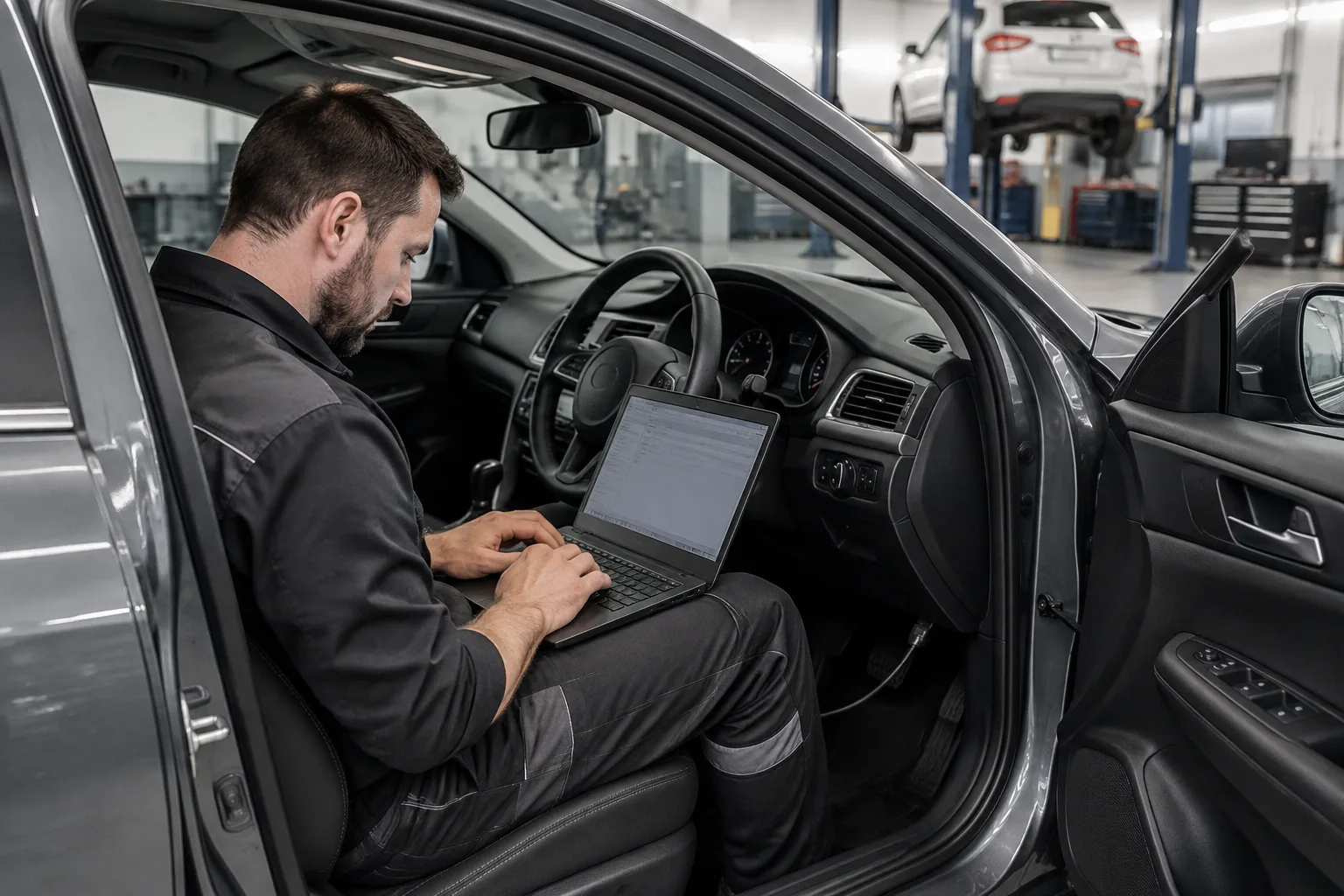
When upgrading a vehicle with aftermarket performance hardware, vehicle owners frequently ask a fundamental question: how long does an ECU remap take? Because modified cars require a more individual assessment than standard factory models, the timeline depends heavily on the specific vehicle, the hardware modifications installed, and the exact calibration scope required by the engine controller.
At Boost Remaps, every custom calibration is approached through a rigorous, diagnostics-first methodology. Understanding the distinction between hands-on programming duration and the complete appointment scope helps vehicle owners plan their visit effectively.
How Long Does an ECU Remap Take?
There is no universal, single standard duration for an ECU remap, particularly for modified cars. Total appointment times generally span anywhere from 1 to 3 hours for standard OBD calibrations, though complex custom tuning or bench-mode work involving extensive diagnostic checks can take longer. While the actual data transfer phase via professional programming tools can take anywhere from twenty minutes to over an hour depending on the ECU architecture, the total appointment time encompasses much more than just writing the file.
A thorough professional service generally factors in several sequential phases:
- Initial Vehicle Diagnostics: Scanning the engine management system for active fault codes, checking sensor parameters, and ensuring the vehicle is mechanically healthy enough for calibration.
- Data Extraction and Backup: Reading the original factory map stored on the vehicle controller to create a secure, recoverable backup file.
- Vehicle-Specific Calibration: Adjusting parameters to account for the vehicle's specific layout, fuel parameters, and hardware configuration.
- Post-Write Verification and Testing: Checking system stability and verifying data integrity once the new calibration is written to the ECU.
Process and Scope Comparison
The technical approach required for your vehicle dictates how the appointment unfolds. The table below outlines key procedural variations between standard and modified tuning workflows, along with typical time estimates.
| Service Phase | Standard Factory Vehicle | Modified Vehicle Scope | Estimated Duration |
|---|---|---|---|
| Diagnostic Check | Standard fault-code scan | Comprehensive health check accounting for aftermarket components | 15 to 30 minutes |
| Programming Access | Standard OBD-II port flash | May require OBD, bench, or boot modes depending on ECU type | 20 to 60 minutes |
| Calibration & Writing | Optimised standard map adjustment | Vehicle-specific calibration tailored to declared hardware setups | 30 to 60 minutes |
| Post-Write Testing | Basic error code clearance | Data logging, system verification, and road testing | 20 to 45 minutes |
| Total Appointment | Standard factory tune | Custom modified tune | 1 to 3+ hours total |
Pre-Booking Considerations for Modified Vehicles
Before bringing a modified vehicle to a fully equipped workshop or utilising a mobile service, transparency regarding your setup is essential. Tuners need full visibility of all engine, intake, exhaust, and turbo modifications to ensure the calibration matches your mechanical specifications. Furthermore, vehicle owners must consider wider administrative and legal responsibilities:
- Insurance Disclosures: Major insurers, such as Aviva, stipulate that vehicle performance modifications must be declared to maintain valid coverage. Always verify your policy terms before undertaking calibration work.
- Emissions and Compliance: Modifying or removing factory emissions equipment—such as DPF or AdBlue systems—on road-going vehicles carries strict regulatory implications. Government guidance and the GOV.UK MOT inspection manual classify missing or tampered emissions equipment as major defects.
- Hardware Compatibility: Ensure your installed hardware upgrades are fully operational and integrated safely before requesting a custom remap.
Frequently Asked Questions
How long will the total appointment take for my exact car?
Because every vehicle features a different ECU type, controller security protocol, and modification scope, appointment lengths vary. Most custom remaps take between 1 and 3 hours total. Contact Boost Remaps directly with your registration and full modification list for an accurate timing estimate.
What happens if diagnostics find a fault before tuning?
Professional tuners perform a diagnostics-first check to identify underlying mechanical or electrical issues. If active fault codes or failing components are found, these must be resolved before proceeding with any ECU calibration to protect engine integrity.
Should I declare all engine and gearbox modifications beforehand?
Yes. Providing an accurate list of all hardware modifications allows technicians to tailor the vehicle-specific calibration accurately and ensures the powertrain and transmission—including any supporting daily driver adjustments—operate harmoniously alongside complementary upgrades like DSG tuning.
Can the remap be performed via a mobile service, or does it require a workshop?
Depending on the vehicle controller's security type and access method (such as OBD versus bench or boot mode), some modified ECUs require specialised bench equipment available at a fully equipped workshop, while other jobs are suitable for mobile call-outs.