Direct-Shift Gearbox (DSG) systems are sophisticated dual-clutch transmissions engineered to handle rapid gear selection using alternating clutch paths and integrated mechatronics modules. When drivers explore DSG gearbox tuning benefits, they are typically investigating how Transmission Control Unit (TCU) software alters shift strategies, shift points, and torque-management parameters compared to factory calibrations.
At Boost Remaps, our approach is rooted in technical precision and diagnostic rigor. Because modern Volkswagen Group (VAG) vehicles utilise diverse transmission variants—ranging from dry-clutch setups in lower-torque applications to wet-clutch configurations in higher-torque drivetrains—understanding your exact gearbox architecture is an essential first step before any custom calibration work begins.
How DSG Transmission Software Affects Vehicle Behaviour
A stock DSG relies on its mechatronics unit, which houses electronic control units, sensors, and hydraulic actuators to manage power transmission without interruption. A custom TCU calibration interacts directly with these systems. Depending on the exact vehicle specification and software design, a TCU remap may adjust several operational characteristics:
- Shift Strategy & Points: Modifying the RPM thresholds at which upshifts and downshifts occur in drive (D), sport (S), and manual modes.
- Driver-Request Response: Altering how quickly the gearbox reacts when throttle inputs are applied or when paddle shifters are engaged.
- Torque-Management Parameters: Adjusting factory torque limiters within the software calibration to align with complementary engine tuning.
It is important to note that a gearbox calibration changes software parameters rather than mechanical limitations. For a deeper look into how software adjustments interact with transmission longevity, you can read our detailed guide on DSG remaps versus gearbox rebuilds.
What Are the Primary DSG Gearbox Tuning Benefits?
Upgrading your transmission software yields measurable performance and operational enhancements. Extractable performance improvements typically include:
- Faster Shift Speeds: Achieving a 15% to 20% reduction in shift execution times during aggressive acceleration and manual paddle-shifting.
- Optimised Clamp Pressure: Increasing mechatronics hydraulic pressure by 10% to 25% on wet-clutch variants (such as the DQ250 and DQ500) to prevent clutch slip under elevated torque curves.
- Raised Torque Limits: Safely lifting factory software ceilings to match the output of a performance ECU remap without triggering limp modes.
- Improved Thermal Control: Refining clutch engagement profiles to reduce unnecessary heat generation during stop-start urban driving.
Stock Calibration vs. Tuned TCU Calibration
Evaluating the differences between a factory transmission file and a custom calibration requires looking at specific technical metrics rather than generalised assumptions. The table below outlines key operational differences:
| Parameter | Stock Calibration | Custom TCU Calibration |
|---|---|---|
| Shift Points | Optimised for standard emissions and general efficiency | Configured for specific driver-request profiles or performance use |
| Clutch Pressure | Standard factory hydraulic clamping pressure | Adjusted where appropriate (10-25% increase) to match modified torque delivery |
| Torque Limits | Factory software restriction thresholds | Recalibrated limits to match verified engine output capabilities |
| Kickdown Behaviour | Standard delay before dropping gears under heavy load | Modified response thresholds (up to 20% faster drop times) based on calibration parameters |
What to Check Before Scheduling a DSG Tune
Before any software modification is applied, a thorough evaluation of the vehicle's current health is vital. Boost Remaps operates on a diagnostics-first approach. Transmission oil condition, mechanical wear, and existing diagnostic trouble codes (DTCs) must be reviewed to ensure the gearbox is operating correctly. Volkswagen specifies that transmission oil lubricates internal components and protects against wear; ensuring your vehicle-specific service intervals are up to date is critical before pursuing any tuning work.
Additionally, vehicle owners should consider external compliance factors. If engine-side modifications are performed alongside transmission work, ensure compliance with UK regulations. As noted by the Department for Transport, emissions-system manipulations such as DPF removal are illegal for road use; reputable specialists keep transmission and engine remapping strictly distinct from emissions deletion.
Finally, the Association of British Insurers (ABI) advises that modifications can impact insurance premiums. It is always recommended to check with your insurance provider regarding any software updates before proceeding.
Frequently Asked Questions
What DSG gearbox code is fitted to my car, and how is it confirmed?
The exact gearbox code (such as DQ200, DQ250, or DQ500) and clutch type (dry or wet) are identified through physical inspection, vehicle documentation, and diagnostic scanning tools. This verification ensures that any subsequent calibration matches the precise hardware limitations of your vehicle.
Is a TCU tune needed alongside an ECU remap?
While an ECU remap increases engine output, a TCU tune can be used to adjust the transmission's torque limits and shift parameters to harmonise with the increased power delivery. Whether both are required depends on your specific vehicle configuration and performance goals.
How do you check for existing gearbox faults before tuning?
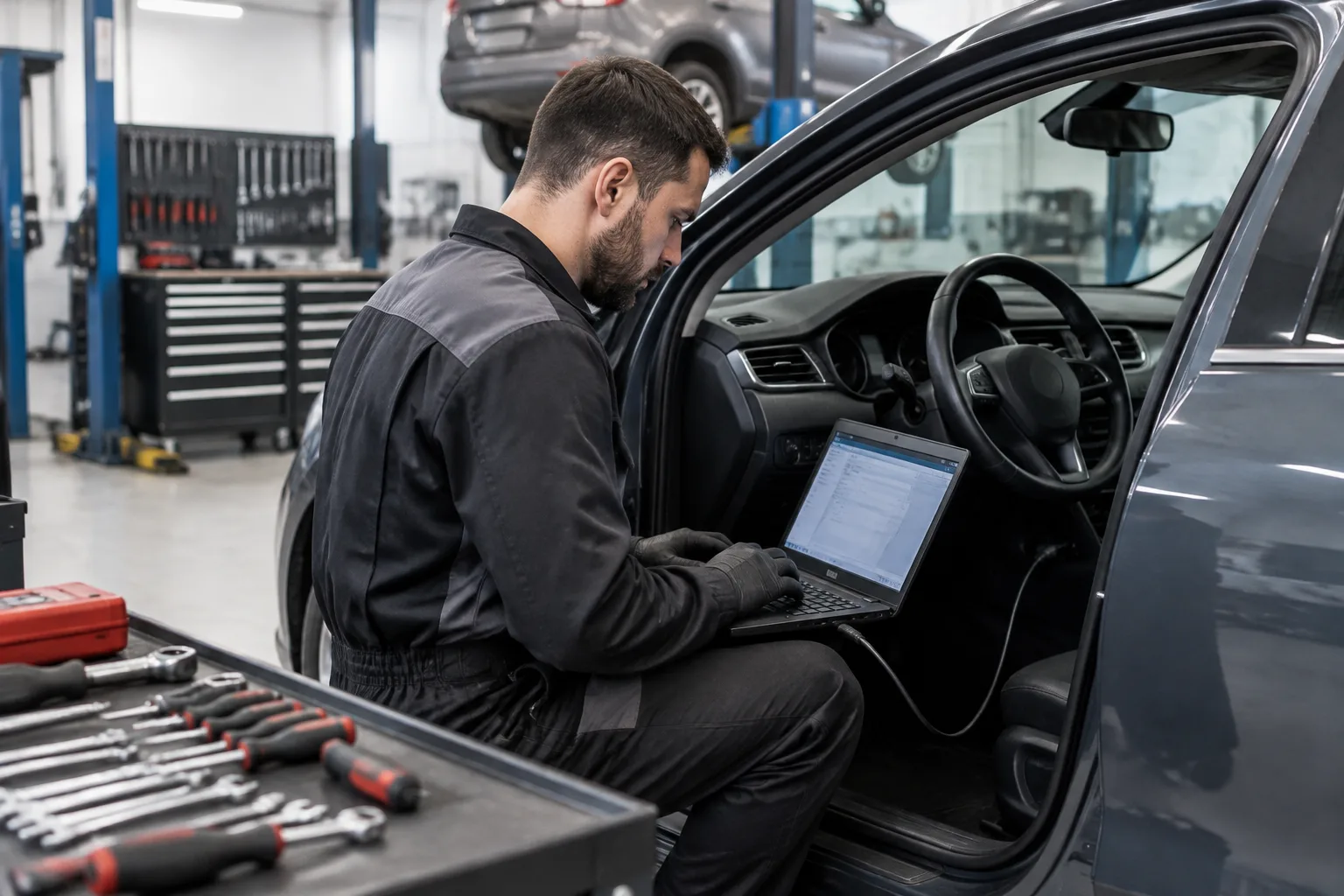
At Boost Remaps, our technicians perform comprehensive diagnostic scans using genuine professional tuning tools to check for stored fault codes, monitor live sensor data, and assess the overall mechanical health of the mechatronics and clutch packs prior to any work.
Can the car be returned to its factory software?
Yes. Professional custom calibrations allow for backup files of the original factory software to be safely stored, enabling the transmission to be returned to its stock configuration if required.
Sources and References
- Department for Transport (DfT) – Vehicle emissions and road legality guidelines.
- Association of British Insurers (ABI) – Guidance on vehicle modifications and insurance declarations.
- Volkswagen Group (VAG) – Technical transmission specifications for DQ200, DQ250, and DQ500 architectures.