
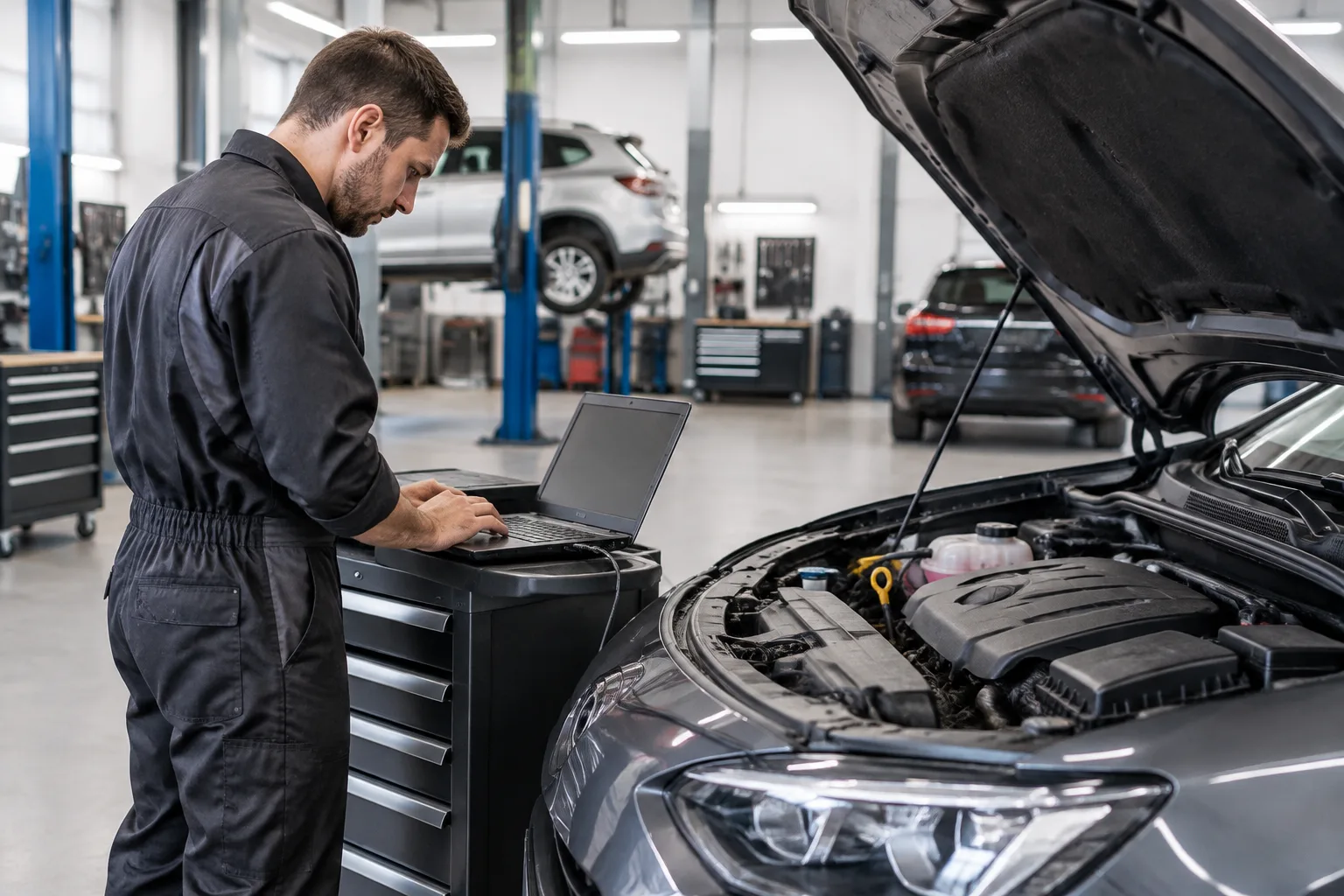
Engine remapping modifies the software map stored inside a vehicle's Engine Control Unit (ECU) to alter parameters such as ignition timing, fuel delivery, and boost pressure. When executed correctly, it optimises how the engine performs, unlocking hidden potential in torque, power delivery, and driveability.
For motorists seeking engine remapping London services, navigating the options requires an understanding of what software calibration can and cannot achieve. This comprehensive guide explores the technical realities, power outcomes, fuel-economy variables, compliance requirements, and how to evaluate a tuning specialist across the capital.
What Does an Engine Remap Change?
Factory engine calibrations are intentionally conservative. Manufacturers program ECUs to accommodate varying global fuel qualities, extreme ambient temperatures, extended service intervals, and restrictive emissions standards. Consequently, factory maps leave a margin of unutilised efficiency and performance.
An ECU remap overwrites the factory lookup tables with a calibrated software file tailored to specific operational parameters. Depending on the vehicle and the tuning stage—such as a Stage 1, Stage 2 or Stage 3 remap—the process adjusts:
- Air-Fuel Ratios: Optimising the mixture for combustion efficiency under load.
- Turbocharger Boost Pressure: Managing turbine output to alter torque curves safely.
- Ignition and Injection Timing: Refining when fuel enters the cylinder relative to piston position.
- Throttle Response: Eliminating factory lag to improve pedal sensitivity and low-end responsiveness.
Can a Remap Improve Fuel Economy?
A common objective for vehicle owners is balancing power gains with efficiency. However, fuel economy outcomes depend entirely on vehicle condition, calibration style, journey types, and driving habits. According to the Vehicle Certification Agency (VCA), real-world fuel consumption and emissions vary significantly based on vehicle load, accessories, weather, and driving style, meaning standard factory figures are primarily useful for comparison rather than serving as fixed predictions.
When an engine produces more low-end torque, the vehicle requires less throttle input to maintain cruising speeds or climb inclines. Under steady-state driving conditions, this can translate to enhanced fuel efficiency. Conversely, if a driver exploits the newly unlocked performance frequently, fuel consumption will naturally rise. Evaluating efficiency requires a like-for-like comparison of fuel consumption over identical routes before and after calibration, rather than relying on anecdotal metrics.
Key Considerations: Power, Safety, and Compliance
Before committing to any ECU modification, vehicle owners must weigh technical expectations against legal and mechanical realities. Professional calibration prioritises engine longevity and drivetrain safety over headline figures.
| Category | Consideration | Guidance / Standard |
|---|---|---|
| Diagnostics | Pre-tuning health checks | Fault codes and mechanical wear must be resolved before software changes. |
| Emissions Systems | Exhaust and particulate filters | Must retain required factory emissions equipment; tampering is an automatic MOT failure. |
| Insurance | Policy disclosure | Vehicle modifications should be reported to insurance providers to maintain valid coverage. |
| Calibration | Custom vs. generic files | Vehicle-specific software maps prevent over-fuelling and component stress. |
Emissions Compliance and the MOT Test
It is vital to distinguish legitimate performance tuning from illegal emissions tampering. Under the MOT inspection manual, missing, modified, or bypassed factory-fitted emissions equipment—including diesel particulate filters (DPFs)—constitutes a major defect resulting in test failure. Professional tuning houses focus purely on optimising engine parameters within legal operating limits, ensuring the vehicle remains fully compliant with UK road standards.
How to Choose a Tuning Provider in London
Selecting the right technician ensures your engine operates safely and reliably. When assessing providers across the capital, look for the following benchmarks:
- Diagnostics-First Approach: Technicians who inspect live data and investigate existing fault codes before applying any software.
- 100% Custom Calibration: Files written specifically for your vehicle's exact make, model, ECU version, and mechanical condition rather than generic off-the-shelf downloads.
- Professional Equipment: Use of genuine, industry-standard programming tools and hardware interfaces.
- Service Flexibility: Availability of both a fully equipped workshop and mobile service capabilities depending on the required work.
For drivers looking to safely upgrade their vehicle's performance in the capital, professional services such as Boost Remaps offer tailored engine tuning, diagnostic evaluations, and custom software calibration designed to work securely within factory mechanical tolerances.
Frequently Asked Questions
How long does an engine remapping appointment take?
Most standard ECU remapping procedures take between one to two hours. This timeframe includes initial diagnostic health checks, reading the original factory file, writing and uploading the custom calibration, and performing post-tuning verification checks.
Will an engine remap void my vehicle manufacturer warranty?
Software modifications can influence manufacturer warranty claims relating to powertrain components. It is recommended to check your specific vehicle manufacturer's terms or consult your provider regarding how modifications may affect existing coverage.
Do I need to inform my insurance company about a remap?
Yes. Official DVLA and insurance guidelines advise notifying your insurance provider of any modifications made to your vehicle to ensure your policy remains valid and accurate.
Can remapping be reversed if needed?
In most instances, professional tuning technicians retain a secure backup of the original factory ECU file, allowing the software to be returned to standard specifications if required.
Sources and References
- Vehicle Certification Agency (VCA): WLTP and Real-World Figures
- Vehicle Certification Agency (VCA): Fuel Consumption Guidance
- GOV.UK: MOT Inspection Manual: Nuisance and Emissions
- GOV.UK: Diesel Particulate Filters Guidance Note
- GOV.UK: Making Changes to a Vehicle (INF318)
- GOV.UK: When to Update a V5C Registration Certificate