Van remapping London fleet operators and tradespeople rely on requires a precise, systematic methodology. At Boost Remaps, our approach to van remapping London prioritizes vehicle health, hardware capabilities, and 100% custom calibration over generic files. Whether your commercial vehicle operates on a tight urban schedule or heavy stop-start routes, understanding the step-by-step remapping workflow ensures safe, reliable performance modifications.
This comprehensive guide details what happens during a professional mobile or workshop remap, from the initial diagnostic checks to post-calibration verification.
Direct Answer: What Is the Van Remapping Process?
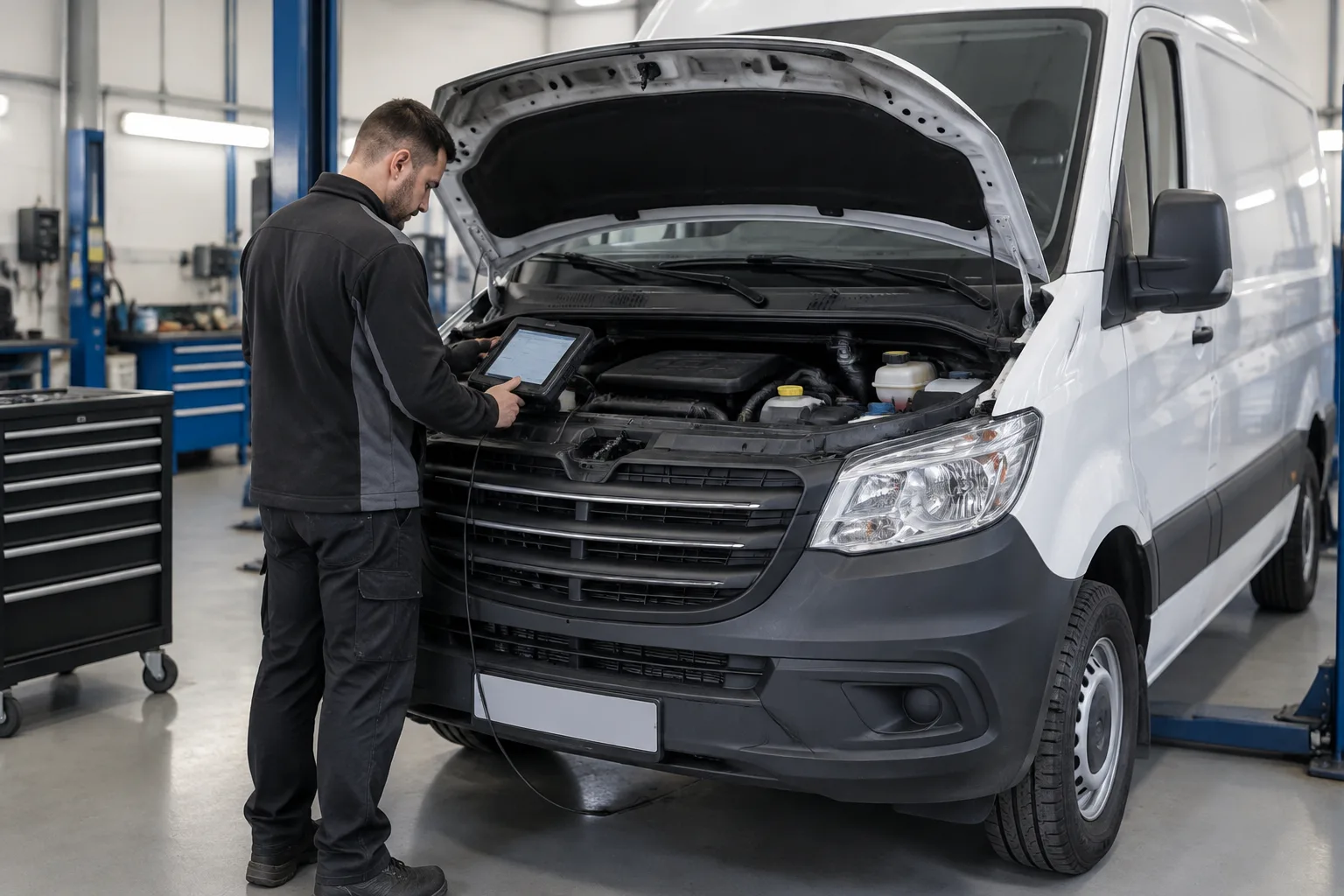
Professional van remapping involves reading your vehicle's Engine Control Unit (ECU) or Transmission Control Unit (TCU) software, modifying operating parameters like fuel injection timing, boost pressure, and torque limiters, and writing the custom calibration back to the controller. A reputable provider like Boost Remaps uses a diagnostics-first approach, verifying engine health, selecting the correct programming method (OBD, bench, or boot), and testing the vehicle thoroughly post-calibration.
Step-by-Step Guide to Van Remapping in London
Every commercial vehicle is unique. A generic file can place undue stress on mechanical components, which is why a structured procedure is essential for every van remapping London appointment.
- Vehicle Identification and Compatibility Assessment: We begin by collecting exact vehicle data, including registration, make, model, year, engine code, and transmission type. This confirms compatibility and dictates the appropriate programming strategy.
- Diagnostics-First Health Check: Boost Remaps applies a strict diagnostics-first approach. We scan the vehicle for existing fault codes or underlying mechanical issues. A remap corrects software parameters; it does not repair mechanical wear, faulty sensors, or component failures. Unresolved faults must be addressed before tuning.
- Agreeing on the Custom Calibration: We discuss your vehicle usage, whether you are looking to optimize towing capability, improve low-end torque for heavy loads, or balance fuel efficiency on motorway runs. Power and torque outcomes are vehicle-specific and depend on your van's mileage, condition, and hardware setup.
- Selecting the Programming Method: Depending on the ECU type and security protocols, technicians select the appropriate communication method. While On-Board Diagnostics (OBD) port flashing is common, some modern control units require bench or boot modes using professional tuning tools to read and write data safely.
- Reading, Tuning, and Writing: The original software file is extracted, modified to custom specifications, and rewritten. To explore how balancing power and comfort works for daily drivers, read our guide on performance tuning for daily drivers. For insight into optimizing fuel efficiency legally and safely, refer to our analysis on car tuning for better fuel economy.
- Post-Work Verification and Handover: Once the new calibration is written, technicians run post-work diagnostic scans and data logging to ensure parameters operate within safe thresholds. Handover includes explaining what work was performed and providing guidance on ongoing maintenance.
Mobile Visit vs. Workshop Service: What to Expect
When booking van remapping London services, customers can often choose between a mobile visit or workshop-based tuning. However, mobile service depends entirely on site suitability, weather conditions, and vehicle accessibility. Some advanced control units or complex diagnostics require fully equipped workshop facilities.
| Feature | Mobile Remapping Service | Fully Equipped Workshop |
|---|---|---|
| Convenience | Carried out at your home or workplace. | Requires vehicle drop-off at Boost Remaps. |
| Environment | Subject to weather and location access. | Controlled indoor workspace with heavy equipment. |
| Advanced ECU Access | Ideal for standard OBD and select programming tasks. | Necessary for complex bench/boot programming or deep mechanical diagnostics. |
Understanding Compliance, Regulations, and Engine Management
Modifying a commercial vehicle involves important legal and operational considerations. Responsible van remapping requires strict adherence to UK vehicle regulations:
- Insurance and Warranty: Modifying engine software constitutes a modification to your vehicle. Under UK law, you must notify your insurance provider. Warranties may be affected; always check your specific policy terms.
- Emissions and MOT Compliance: Software calibrations must never bypass or disable legally required emissions equipment. According to DVSA MOT inspection guidelines, missing or tampered Diesel Particulate Filters (DPFs) or emissions controls will result in an immediate MOT failure.
- ULEZ and Clean Air Zones: Remapping does not alter a vehicle's official Euro emissions standard set by Transport for London (TfL). Van operators should verify compliance directly using TfL tools.
Frequently Asked Questions
Can any van be remapped via a mobile service in London?
Not every vehicle or job can be completed at a roadside location. While many standard remaps can be performed on-site, certain ECUs require bench programming or specialized workshop tools. Boost Remaps evaluates each vehicle individually to determine if a mobile visit is suitable.
What happens if my van has an existing engine fault light?
Boost Remaps operates a strict diagnostics-first policy. If active fault codes or underlying mechanical problems are detected, we will advise on repairs before any custom calibration is applied, ensuring we never mask symptoms with software.
Are engine remaps and gearbox/DSG tunes separate services?
Yes. Engine remapping optimizes power delivery and combustion parameters in the ECU, whereas transmission tuning modifies shift points, torque limiters, and clamping pressure in the TCU. They are distinct services that can be performed individually or together depending on your vehicle's requirements.
Will remapping my van affect my insurance or MOT?
Any modification to vehicle performance software must be declared to your insurance provider. Regarding the MOT, professional tuning that respects standard emissions equipment will not cause an emissions failure, but any tampering with legally required systems like DPFs will result in an MOT failure under DVSA rules.