
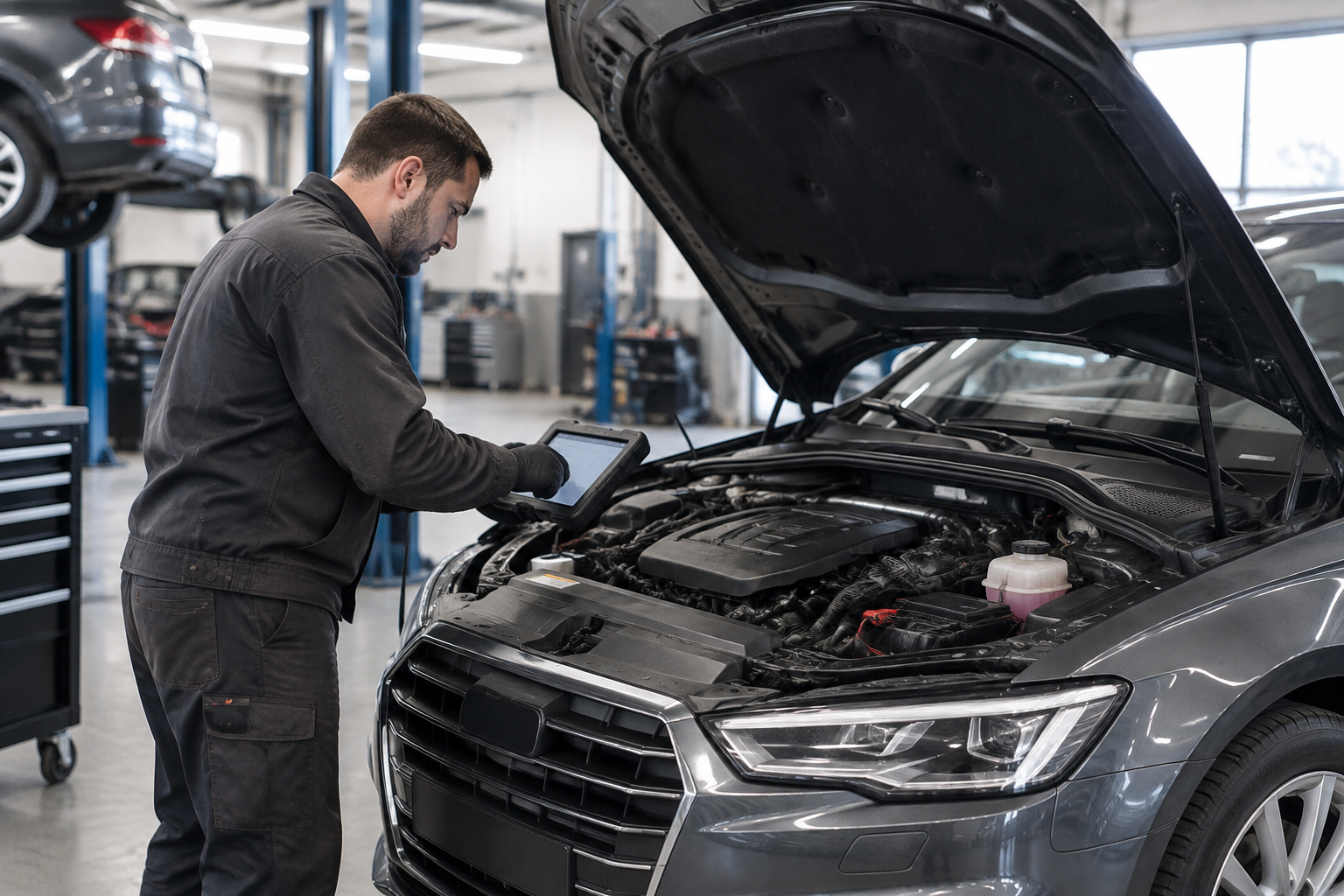
When considering car tuning London drivers often want to know whether modifying an everyday commuter vehicle compromises comfort, smoothness, or reliability. The short answer is no, provided the software calibration is written specifically for your vehicle rather than using a generic, one-size-fits-all map. By prioritising smooth low-speed throttle response, progressive mid-range power delivery, and factory-safe operational limits, a custom engine remap can enhance everyday drivability without sacrificing the refined feel required for daily commuting and motorway driving.
Achieving the right balance between performance and comfort depends on a methodical, diagnostics-first approach. This guide examines how professional calibration affects daily driving behaviour, the technical considerations for engine and gearbox integration, and what you need to know about insurance, warranties, and compliance before booking a service.
How Custom Calibration Affects Daily Driving Behaviour
A well-executed engine remap does more than simply raise peak horsepower figures. For a daily driver, the primary objective is optimising the torque curve across the entire rev range. Generic tuning files often force aggressive spikes in boost pressure, resulting in a jerky throttle response in stop-start traffic.
In contrast, a custom calibration focuses on linear power delivery. Here is how tuning changes normal driving conditions:
- Low-Speed Response and Urban Driving: Eliminating flat spots and hesitation at low revs makes navigating congested city traffic smoother and more predictable.
- Overtaking and Mid-Range Pull: Expanding the usable torque band allows for effortless acceleration at motorway speeds without needing to aggressively downshift.
- Cold Starts and Idle Stability: Professional software preserves factory cold-start routines and idle parameters to ensure the engine runs cleanly and smoothly from the moment it is started.
For a deeper dive into how software modifications differ from physical tuning boxes, read our guide on ECU remapping vs chip tuning differences.
Engine and Gearbox Tuning: Do You Need Both?
Modern vehicles rely heavily on complex automatic and dual-clutch transmissions (such as DSG, DCT, or modern torque-converter automatics). When engine torque is increased, the factory transmission control unit (TCU) may struggle to manage the new power profile, leading to harsh gear changes, slip, or delayed kickdowns.
For many daily drivers, pairing an engine remap with targeted gearbox tuning creates a harmonious driving experience. The table below compares standalone engine tuning against a combined engine and transmission calibration approach.
| Tuning Scope | Primary Focus | Best Suited For | Drivability Impact |
|---|---|---|---|
| Engine Remap Only | Optimising fuel injection, ignition timing, and turbo boost maps. | Manual vehicles or automatics operating well within standard torque limits. | Stronger mid-range pull; throttle response adjusted for daily use. |
| Engine + Gearbox (DSG) Tuning | Adjusting shift points, clamp pressures, and torque limiters alongside engine data. | High-torque diesel or petrol turbos with automatic/dual-clutch gearboxes. | Faster, smoother gear shifts and optimized shift points for everyday traffic. |
To understand the foundational principles behind ECU modifications before choosing your setup, review our comprehensive beginners guide to ECU remapping.
Technical Prerequisites for Mobile and Workshop Car Tuning in London
Whether you choose a workshop appointment or request mobile car tuning services at your home or workplace, ensuring stable technical conditions is vital for a safe software installation. Flashing a modern vehicle's ECU requires a reliable, uninterrupted power supply and a stable connection to prevent software corruption.
- Stable Power Supply: Professional technicians use regulated battery support units (stabilisers) throughout the flashing process to maintain optimal voltage levels (typically around 12.5V to 13.5V). A sudden voltage drop can interrupt data transfer and brick the ECU.
- Reliable Internet or Offline Cache: While many calibration files are pre-loaded to specific vehicle identification numbers (VINs), access to stable internet connectivity via diagnostic laptops ensures real-time server communication and data logging when required.
- Weather and Environment Protection: For mobile tuning services, the vehicle must be parked in a safe, dry location (such as a driveway or garage) out of severe weather elements to protect sensitive diagnostic equipment and open vehicle doors/hoods.
Ownership Considerations: Insurance, Warranty, and Compliance
Modifying a vehicle intended for daily use requires careful attention to legal, financial, and mechanical responsibilities. Before scheduling any tuning work, owners should consider the following:
- Insurance Declaration: Under UK guidelines, vehicle modifications must be declared to your insurance provider. According to MoneyHelper, failing to disclose modifications can invalidate your policy in the event of a claim. Insurers assess changes individually, so it is vital to confirm cover beforehand.
- Manufacturer Warranties: Modifying the factory ECU software can affect drivetrain warranty claims if a component failure is linked to the calibration. Check your vehicle manufacturer's terms before proceeding.
- Emissions and Legal Compliance: Road vehicles must maintain legally compliant emissions systems. The DVSA MOT inspection manual lists missing, modified, or defective emissions equipment (such as DPFs) as major defects under Section 8: Nuisance. Furthermore, tuning does not alter a vehicle's official factory emissions standard; drivers should use the official Transport for London vehicle checker to confirm ULEZ and congestion charge compliance.
At Boost Remaps, our Google 5.0* Rated team utilises a rigorous diagnostics-first approach, genuine professional tuning tools, and fully customized software to ensure your vehicle is thoroughly assessed before any calibration takes place. Whether you visit our fully equipped workshop or utilise our mobile service across London, every remap is tailored specifically to your vehicle's condition and performance goals.
Frequently Asked Questions
Can a remap be tailored to prioritise smoothness rather than maximum power?
Yes. Custom calibration allows technicians to focus on progressive throttle mapping and a wide, usable torque band rather than aggressive peak power outputs, making the car exceptionally comfortable for daily commuting.
What checks are performed before tuning a daily driver?
A professional service begins with comprehensive vehicle diagnostics to scan for stored fault codes, check live sensor data, and verify the mechanical health of the engine and turbocharger before any software is modified.
Will car tuning affect my fuel economy?
Fuel consumption depends heavily on vehicle condition, calibration style, and driving habits. While optimised mid-range torque can occasionally improve efficiency during steady motorway cruising, heavy use of extra performance will increase fuel usage.
Do I need to visit a workshop, or is mobile tuning available?
Many professional tuners—including Boost Remaps—offer both fully equipped workshop facilities and mobile service options across London, allowing you to choose the most convenient appointment setup for your schedule.