When London drivers look into ECU remapping near me London, a common point of discussion is whether petrol or diesel engines respond differently to custom calibration. Because petrol and diesel powerplants rely on fundamentally different combustion systems—spark-ignition versus compression-ignition—the technical parameters controlled by the engine control unit vary significantly (Energy.gov). However, fuel type alone cannot predict exact performance outcomes. Engine variant, turbocharger setup, transmission type, existing software, and overall vehicle condition dictate how a vehicle will respond to tuning.
At Boost Remaps, our diagnostics-first approach ensures that every vehicle undergoes a thorough health check before any software modification takes place. Whether you drive a turbocharged petrol hatchback or a diesel commercial vehicle navigating city traffic, understanding how fuel types interact with modern ECU calibration is essential for making an informed decision.
Quick Answer: Petrol vs Diesel Remapping
Petrol engines typically offer a wide power band and responsive throttle characteristics, especially when turbocharged. Diesel engines generate high torque figures lower down the rev range, making them popular for high-mileage driving and heavier chassis. Remapping alters the fuel delivery, boost pressure, and ignition or injection timing maps within the ECU. Neither fuel type is universally "better" for tuning; results depend entirely on the engine’s hardware limits, factory safety margins, and mechanical health.
Core Technical Differences in Engine Calibration
Modern engine management systems control fuel injection pressure, air-to-fuel ratios, and turbocharger boost limits. The underlying mechanics of petrol and diesel engines shape how these parameters are adjusted:
- Petrol Engines: Most modern performance petrol engines rely on direct injection and turbocharging. Calibration focuses on optimizing boost curves, ignition timing, and lambda targets to improve power delivery and throttle response across the rev range.
- Diesel Engines: Compression-ignition engines operate with high compression ratios and rely heavily on turbocharging and precise fuel rail pressure control. Tuning adjustments concentrate on torque delivery, injection duration, and managing exhaust gas temperatures safely.
To explore the fundamentals of how engine software controls these functions, read our beginners guide to ECU remapping. For a deeper look at hardware modifications versus software adjustments, view our breakdown on ECU remapping vs chip tuning, and for information on progressive power upgrades, consult our Stage 1, Stage 2, and Stage 3 remap guide.
How Do Petrol and Diesel Tuning Processes Compare?
While both fuel types involve writing modified maps to the vehicle's electronic control unit, the underlying mechanical thresholds and hardware limitations differ substantially. Understanding these technical nuances helps owners set realistic expectations for drivability, torque output, and peak power gains.
Petrol vs Diesel Remapping Comparison
| Factor | Petrol Remapping Considerations | Diesel Remapping Considerations |
|---|---|---|
| Combustion Type | Spark-ignition; typically focuses on ignition timing and boost. | Compression-ignition; focuses on fuel injection and rail pressure. |
| Typical Stated Goal | Enhanced throttle response, wider power band, peak horsepower. | Low-end torque delivery, pulling power, mid-range flexibility. |
| Emissions Equipment | Petrol Particulate Filters (PPF) where fitted. | Diesel Particulate Filters (DPF), EGR, and SCR/AdBlue systems. |
| Transmission Pairing | Manual gearboxes or dual-clutch transmissions (DSG). | Automatic torque converters or heavy-duty manual/DSG units. |
The Importance of Diagnostics and Vehicle Condition
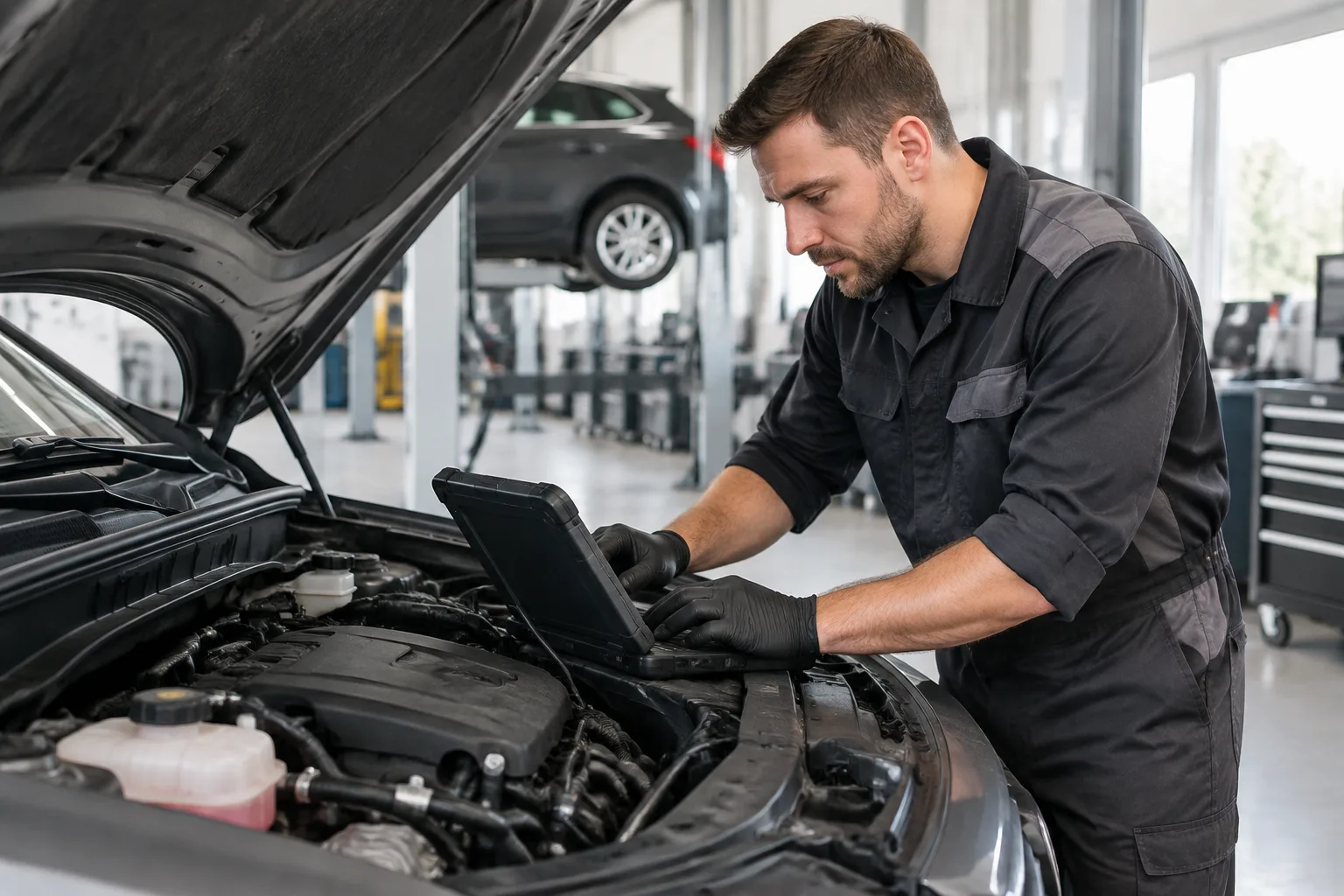
Before any custom calibration is applied, a comprehensive diagnostic assessment is mandatory. Fault codes, worn injectors, failing turbo actuators, or restricted exhaust components must be identified and rectified first. Applying performance software to a mechanically compromised engine risks exacerbating existing faults. Professional tuning requires genuine equipment and live data logging to monitor parameters such as boost pressure, exhaust gas temperatures, and fuel trims during calibration.
Mobile vs. Workshop Tuning Equipment Limitations
When seeking ECU remapping near me London, vehicle owners often weigh mobile technicians against fixed workshop facilities. Mobile tuning is highly convenient for standard OBD flashing and light diagnostics, as modern master tuning tools allow safe data reading and writing directly via the diagnostic port at a home or workplace. However, if scaling to complex troubleshooting, live dyno testing (rolling road), or bench ECU recovery (Boot/BDM mode) for heavily modified vehicles, a dedicated workshop environment equipped with specialized test benches and climate-controlled dyno cells remains necessary to manage extreme thermal and load limits.
Emissions Equipment, Compliance, and London Driving
Modern diesel vehicles feature complex after-treatment systems, including Diesel Particulate Filters (DPF) and Selective Catalytic Reduction (SCR) systems using AdBlue to control nitrogen oxides (Alternative Fuels Data Center). It is vital to preserve functioning factory emissions controls. Government consultations and the MOT manual treat missing, modified, or tampered emissions equipment as major defects, and regulatory bodies view the removal of DPF or AdBlue systems as illegal (GOV.UK).
For motorists driving within the capital, Transport for London (TfL) enforces specific Ultra Low Emission Zone (ULEZ) standards based on vehicle category and Euro emissions classifications. Remapping a vehicle does not change its official emissions standard or make a non-compliant vehicle compliant; drivers should always verify their vehicle status directly via the TfL vehicle checker.
Warranty, Insurance, and Legal Considerations
Modifying engine software can impact vehicle manufacturer warranties and insurance policies. Drivers should check terms with their dealership or manufacturer and notify their insurance provider before proceeding. Under UK consumer insurance law, policyholders must take reasonable care not to misrepresent information (Legislation.gov.uk), and insurers evaluate modifications on an individual policy basis.
Frequently Asked Questions
Can fuel economy improve after a remap?
Fuel economy outcomes are variable and depend heavily on driving style, traffic conditions, and vehicle maintenance. While optimized calibration can improve combustion efficiency under certain conditions, MPG improvements should never be promised or guaranteed.
Does a remap affect my car's MOT test?
A custom ECU calibration that maintains all factory emissions hardware and passes tailpipe and OBD emissions checks will not negatively impact an MOT. However, tampering with emissions equipment such as DPFs or catalytic converters will result in an MOT failure.
Are mobile remapping services as effective as workshop services?
Equipped with professional tuning tools and diagnostic interfaces, mobile technicians can perform complete custom remaps at your home or workplace. However, complex diagnostics or vehicles requiring rolling road testing may benefit from a fully equipped workshop environment.
Should I consider gearbox tuning alongside an engine remap?
For vehicles equipped with automatic or dual-clutch transmissions (such as DSG gearboxes), adjusting torque limiters and shift points can complement engine calibration by ensuring the transmission handles power delivery smoothly and efficiently.