
When exploring ECU remapping, drivers frequently encounter terms like Stage 1, Stage 2, and Stage 3. While these labels are widely used across the tuning industry, they are fundamentally tuner-defined shorthand rather than universal technical specifications. Understanding what these terms actually represent—and how they relate to your specific vehicle's condition, hardware, and use case—is essential before making any modifications.
This guide examines the differences between calibration stages, the role of supporting hardware, and the practical considerations every vehicle owner should weigh.
Direct Answer: What Do Stage 1, Stage 2, and Stage 3 Mean?
In general terms, Stage 1 typically refers to software-only calibration designed to operate within a vehicle's factory hardware limits. Stage 2 generally involves software adjustments paired with specific supporting hardware upgrades, such as upgraded intercoolers or exhaust components. Stage 3 usually denotes more extensive modifications involving major hardware changes, such as upgraded turbochargers or internal engine components, combined with a bespoke engine management calibration. However, because hardware requirements and calibration scopes vary significantly by vehicle make, model, and tuner, it is vital to ask precisely what work and parts a quoted stage includes rather than relying on the label alone.
Comparing the Options: Scope, Hardware, and Considerations
Evaluating which calibration approach suits a vehicle requires looking beyond headline figures. Engine calibration involves carefully balancing performance outputs with strict physical constraints, such as knock thresholds and exhaust gas temperatures, rather than simply maximising a single metric (SAE International technical papers on engine torque mapping highlight the complexity of balancing these thermodynamic limits during calibration).
| Comparison Point | What to Clarify |
|---|---|
| Vehicle Suitability | Every vehicle must be assessed individually. A thorough diagnostic health check should always precede any calibration to identify existing faults. |
| Hardware Requirements | Determine whether a proposal is software-only or requires physical modifications. Always review the actual parts needed rather than assuming a standard parts list applies. |
| Calibration Approach | Confirm whether the software is written specifically for your vehicle's exact configuration and how the technician validates the operating parameters. |
| Performance Evidence | Ask how any power or torque figures were measured, where the testing took place, and whether before-and-after runs utilized identical conditions. |
| Drivability and Use | Consider how the car is used daily. More extensive modifications may alter power delivery bands, fuel requirements, or thermal management. |
| Compliance and Road Use | Modifications must not compromise statutory requirements. Factory-fitted emissions equipment must remain present and functioning. |
Key Factors in Detail
1. Vehicle Condition and Diagnostics First
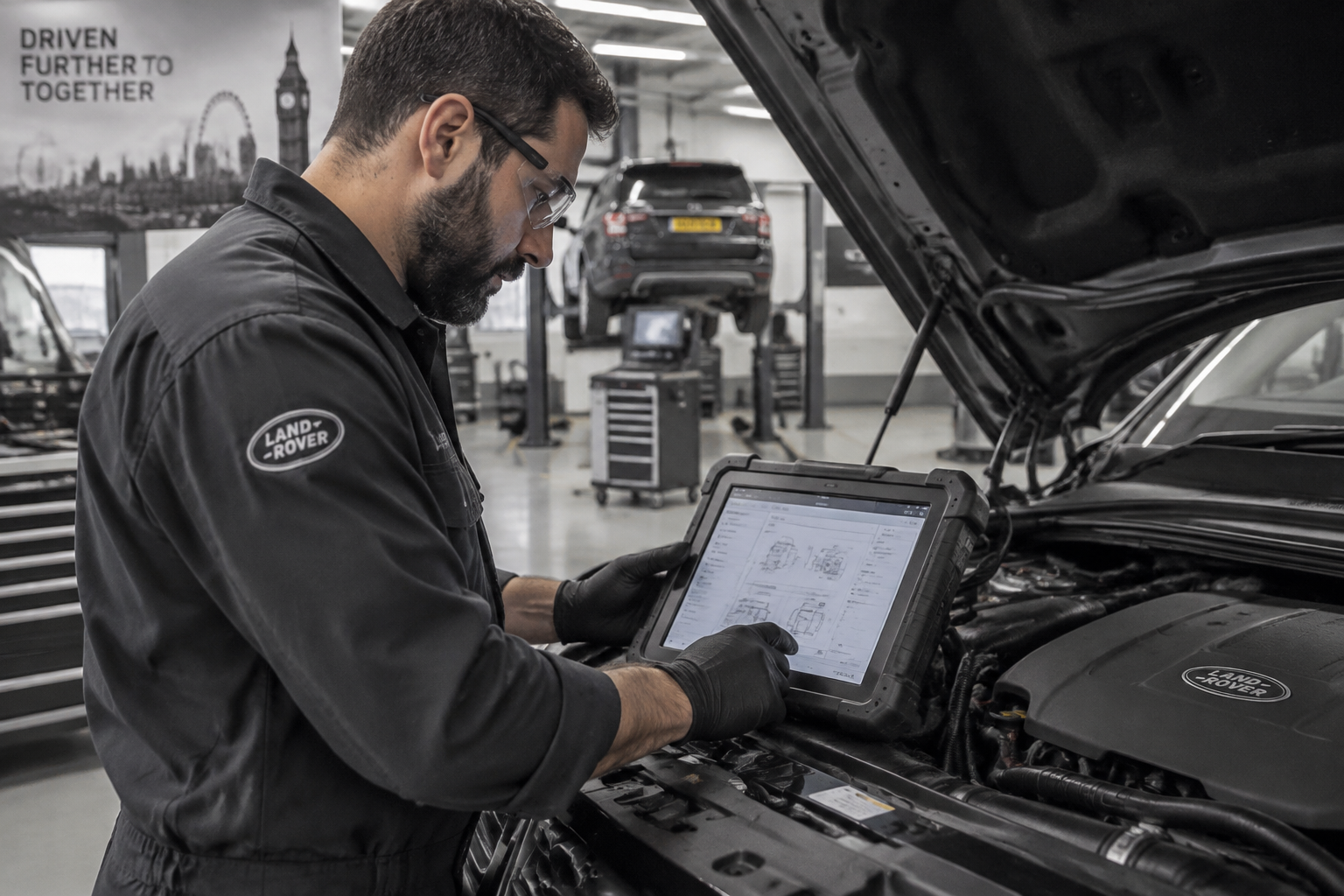
No calibration stage can compensate for underlying mechanical or electrical wear. Before any remapping work begins, professional technicians should perform comprehensive vehicle diagnostics. Identifying and resolving hidden faults ensures the engine operates reliably under revised operating parameters.
2. Hardware Modifications and Stage Shorthand
Because "Stage 1", "Stage 2", and "Stage 3" are not standardised, two different tuners may apply different definitions to the same vehicle. When discussing options with a specialist, ask:
- Does this calibration require upgraded intake, exhaust, or cooling components?
- Are the modifications fully reversible if needed?
- How does the software interact with factory sensors and safety limits?
3. Road Use, Emissions, and Legal Compliance
Vehicle modifications must comply with current UK regulations. According to DVSA guidance in the MOT inspection manual, modified engines must still meet strict age-related emissions standards, and missing or defective factory emissions equipment can result in an MOT failure (GOV.UK MOT Inspection Manual). Furthermore, GOV.UK guidance regarding in-use emissions highlights that altering or bypassing factory emissions control systems can render a vehicle non-compliant for public road use. Professional calibrators ensure that all statutory emissions equipment remains intact and functioning correctly.
4. Insurance and Warranty Considerations
Modifying a vehicle's engine management system constitutes a material change from factory specification. UK guidance from MoneyHelper advises drivers to provide accurate vehicle details and formally notify insurance providers of any modifications to ensure policy validity (MoneyHelper Car Insurance Guidance). Similarly, vehicle owners should check their specific manufacturer or extended warranty terms to understand how aftermarket software or hardware changes may affect component coverage.
Assessing Your Vehicle with Boost Remaps
At Boost Remaps, serving London and the surrounding areas, we believe in a strict diagnostics-first approach. Rather than relying on generic stage labels, our in-house technicians utilise genuine professional tuning tools to deliver 100% custom, vehicle-specific calibrations tailored to your car's exact hardware specification and condition. Whether you visit our fully equipped workshop or utilise our mobile service, every calibration is engineered with precision and safety in mind.
To find out what options are available for your exact make, model, and engine, request a vehicle-specific assessment from our technical team today.
Frequently Asked Questions
What is the difference between Stage 1, Stage 2, and Stage 3 remaps?
Stage 1 generally refers to software optimization on an otherwise standard vehicle. Stage 2 usually pairs software with supporting hardware upgrades (such as improved intercoolers or exhaust components). Stage 3 involves major hardware changes, such as upgraded turbochargers, supported by bespoke engine calibration. Definitions vary by tuner and vehicle.
Does my car need repairs before being remapped?
Yes. A thorough diagnostic health check should always be performed prior to any remapping work. Existing mechanical, fuel, or ignition faults must be resolved to ensure the engine can safely handle revised operating parameters.
Will a remap affect my car's MOT emissions compliance?
A professional, custom remap designed to work with your factory emissions equipment should not prevent a car from meeting MOT standards. However, DVSA guidelines state that missing, modified, or defective emissions control systems can lead to an MOT test failure. Factory emissions hardware must remain active.
Do I need to inform my insurance company about a remap?
Yes. Modifying your vehicle's engine management system is considered a material modification by insurers. You should notify your insurance provider accurately to ensure your policy remains fully valid.
Are power gains guaranteed to be the same for every car of the same model?
No. Performance outcomes depend heavily on the individual vehicle's age, mileage, mechanical condition, fuel quality, and exact factory specification. Professional tuners evaluate these variables rather than relying on blanket figures.