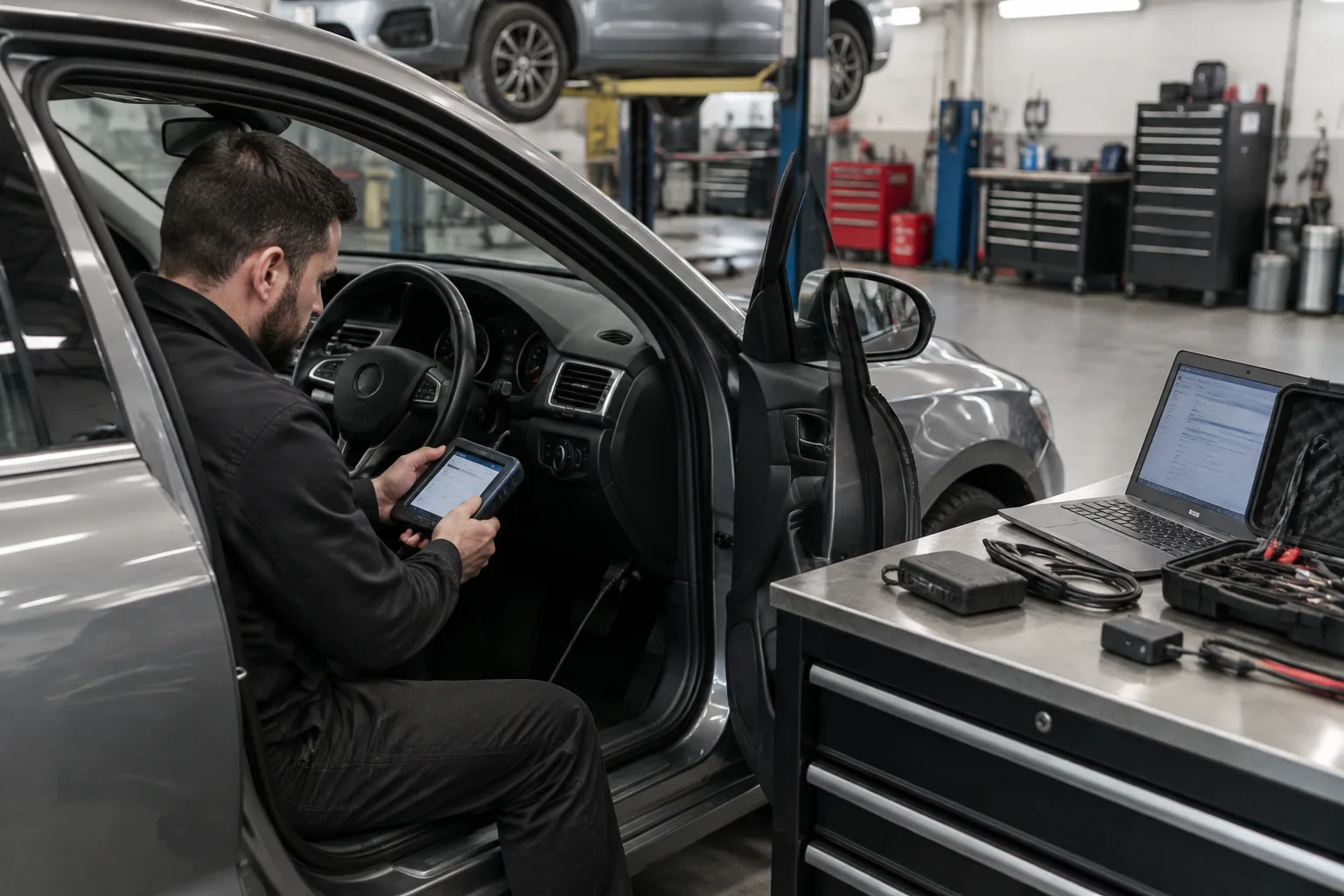
Remap aftercare is the systematic monitoring and maintenance of your vehicle following an engine control unit (ECU) calibration to ensure long-term reliability, optimal performance, and strict regulatory compliance. An Engine Control Unit (ECU) manages complex, interconnected vehicle systems including fuel supply, air management, injection, ignition, and exhaust parameters. Because every vehicle operates with unique wear patterns, hardware variations, and software iterations, applying a generic off-the-shelf software file introduces unnecessary mechanical risk. At Boost Remaps, our diagnostic-first approach ensures that every calibration is tailored precisely to your vehicle's physical condition and performance profile.
Understanding proper remap aftercare helps vehicle owners monitor their car's behaviour, navigate legal and insurance requirements, and maintain long-term reliability. Whether you are exploring diesel torque characteristics or looking into daily driver performance tuning, proper calibration and ongoing maintenance are vital.
The Core Difference: Generic Files vs. Vehicle-Specific Calibration
Many online tuning services supply generic maps—pre-written software files flashed onto different vehicles sharing the same engine code. However, two cars with identical mileage and specifications can exhibit entirely different sensor readings, turbo efficiencies, and mechanical tolerances. A vehicle-specific ECU calibration starts with comprehensive pre-work diagnostics to evaluate live data streams and confirm mechanical health before any software adjustment occurs.
The scope of tuning can also vary across different vehicle systems. For automatic and dual-clutch transmissions, engine calibration is often paired with dedicated software adjustments. If you are comparing upgrades, you can read more about how a DSG remap differs from mechanical gearbox repairs or explore the finer details of DSG tuning explained for smoother drivability.
| Calibration Aspect | Generic Tuning Approach | Vehicle-Specific Calibration (Boost Remaps) |
|---|---|---|
| Initial Diagnostics | Rarely performed; assumes optimal health. | Comprehensive pre-remap diagnostic check. |
| Software Origin | Mass-produced, one-size-fits-all file. | 100% custom map written for your specific ECU ID. |
| Hardware Consideration | Ignores wear, carbon build-up, or component variance. | Accounts for real-time sensor data and vehicle state. |
What Should You Monitor During Remap Aftercare?
Proper remap aftercare requires structured observation of how your vehicle responds under normal driving conditions. While a professional tune optimizes performance parameters, drivers should remain vigilant about changes in engine behavior, fluid levels, and overall responsiveness.
Key aftercare and monitoring steps include:
- Drivability and Throttle Response: Ensure power delivery remains smooth across the rev range without stuttering, flat spots, or hesitation.
- Dashboard Warnings: Watch closely for unexpected engine management lights, fault codes, or limp-mode triggers.
- Routine Fluid Checks: Monitor oil and coolant levels regularly, adhering to the schedules outlined in your manufacturer's owner's manual.
- Component Inspection: Periodically check intercooler pipes, hoses, and turbo connections for secure sealing.
- Professional Diagnostics: If any unusual symptoms arise, consult a specialist immediately rather than assuming the software will self-correct.
How Do You Maintain Compliance, Warranties, and Insurance Standards?
Modifying a vehicle's engine management software introduces legal, regulatory, and contractual obligations that every owner must consider:
- Emissions and the MOT: DVSA guidance states that modified engines must still meet applicable exhaust-opacity requirements during an MOT inspection. Tampering with or removing emissions equipment (such as DPFs or catalysts) can lead to major test defects and regulatory penalties.
- Insurance Disclosure: Most insurance providers, such as Admiral, require policyholders to disclose performance-affecting modifications. Failing to declare software changes can invalidate coverage.
- Manufacturer Warranties: Factory warranties from manufacturers like Ford and Volkswagen typically exclude mechanical failures directly caused by non-approved aftermarket engine management tuning. Always review your specific policy terms.
Frequently Asked Questions
What should I do if a warning light appears after a remap?
If a warning light illuminates or the vehicle enters limp mode, arrange for professional diagnostics immediately. Do not ignore the symptom or assume it will clear on its own; a diagnostic scan is required to read active fault codes and assess sensor feedback.
Do I need to change my servicing intervals after remapping?
Servicing requirements should always align with your vehicle manufacturer's owner's manual and operating conditions. High-performance driving or heavy workloads may necessitate more frequent oil changes and component inspections, which you should discuss with your technician.
Are gearbox and DSG calibrations included in an engine remap?
No. Engine ECU remapping and transmission (DSG/gearbox) tuning are entirely separate services. While they complement each other, optimizing a dual-clutch transmission requires distinct software calibration targeting shift points, clamping pressure, and torque limits.
Sources and References
- Bosch Mobility: Electronic Engine Control Unit Overview
- GOV.UK: MOT Inspection Manual: Nuisance and Emissions
- GOV.UK: In-Use Road-Vehicle Emissions Consultation
- Admiral Insurance: What Do I Tell My Insurer?
- Ford UK: Ford Protect Warranty Terms
- Volkswagen UK: New Car Warranty Terms